In a crisis? Call or text 988 — Suicide & Crisis Lifeline, available 24/7.
Outpatient addiction medicine · Accepting new patients

Care for the way people actually use substances.

Evidence-based, confidential treatment for a range of substance use conditions — without judgment, without shame, and without making you tell your story to three people before the doctor walks in.
ABFMFamily Medicine board cert.
ABOMObesity Medicine board cert.
FellowshipAddiction Medicine training
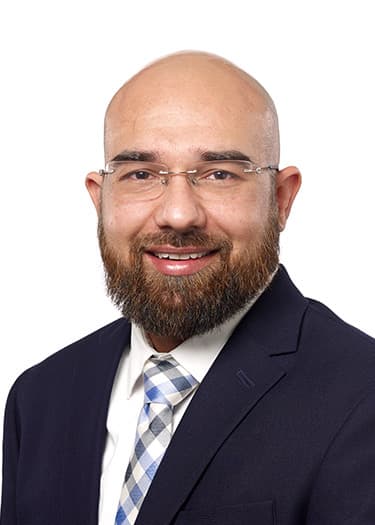
Faisal Shabbir, MD — addiction medicine physician at Prime Recovery in Ellicott City, MD
FIG. 01Faisal Shabbir, MD — board-certified family physician with fellowship training in addiction medicine.
ABFM · American Board of Family MedicineABOM · American Board of Obesity MedicineFellowship · Addiction MedicineMember · ASAMX-waiver · Buprenorphine prescribing
Conditions treated

Multiple conditions treated, all in one practice.

All evaluated and treated here. Click any to learn what care looks like.

All conditions
01OUD

Opioid Use Disorder

Heroin, fentanyl, prescription painkillers like oxycodone or hydrocodone.

First-line: Buprenorphine, naltrexone, or long-acting injectable buprenorphine
02AUD

Alcohol Use Disorder

Drinking that has become hard to control or is causing harm.

First-line: Naltrexone or acamprosate, plus support
03CUD

Cannabis Use Disorder

When cannabis use starts to interfere with sleep, work, mood, or relationships.

First-line: Off-label medications to reduce use and manage symptoms
04KRA

Kratom Use Disorder

A plant from Southeast Asia that acts on opioid receptors. Sold in smoke shops in the U.S.

First-line: Buprenorphine, naltrexone, or Vivitrol (long-acting naltrexone)
05STIM

Stimulant Use Disorder

Cocaine, methamphetamine, prescription stimulants used in ways not prescribed.

First-line: Off-label medicine to reduce or stop use
06BZD/SED

Benzodiazepine & Sedative Use Disorder

Xanax, Ativan, Klonopin, Valium, sleeping pills, muscle relaxants — anything that calms the central nervous system.

First-line: Long, gradual medical taper with clinician oversight
07INH

Inhalant Use Disorder

Glues, solvents, and nitrous oxide ("whippits," "galaxy gas") — inhaled to get high. Nitrous in particular has become common at concerts and festivals.

First-line: Stopping use; supportive care for neurological symptoms
08NIC

Tobacco Use Disorder

Cigarettes, vapes, pouches, dip — anything that delivers nicotine.

First-line: Varenicline or combination NRT
09MDMA

MDMA / Ecstasy Use Disorder

MDMA — ecstasy, molly — a stimulant-empathogen used at clubs and festivals. Heavy or frequent use has lasting effects on the brain's serotonin system.

First-line: Off-label medication and behavioral treatment to reduce use
10DISS

Ketamine & Dissociative Use Disorder

Ketamine, DXM (cough syrup), and PCP — drugs that produce detachment from the body and surroundings. Recreational ketamine in particular has become far more common.

First-line: No FDA-approved medication; structured behavioral treatment with off-label support
11GHB

GHB / GBL Use Disorder

GHB and its industrial precursor GBL — central-nervous-system depressants used recreationally and on the club scene.

First-line: Medically supervised withdrawal; benzodiazepines and close monitoring
12AAS

Anabolic Steroid Use Disorder

Testosterone and other anabolic-androgenic steroids used for muscle growth or performance — common in gym and bodybuilding communities.

First-line: Medically supervised discontinuation with endocrine and mood support
13RX-STIM

Prescription Stimulant Misuse

Adderall, Ritalin, Vyvanse, and similar — taken in ways not prescribed: higher doses, someone else's prescription, or to study, work, or stay awake. This is about misuse that may not (yet) meet criteria for a use disorder.

First-line: Honest evaluation of use; appropriate ADHD assessment and safer alternatives
14IGD

Internet & Gaming Disorder

Gaming or internet use that has taken over time, sleep, school, work, or relationships. The WHO's ICD-11 recognizes Gaming Disorder; the DSM-5 lists it as a condition for further study.

First-line: Behavioral treatment, plus addressing co-occurring anxiety, depression, or ADHD
Why a specialist

Addiction medicine is a specialty. It should be treated like one.

Substance use disorders carry real medical risk — withdrawal can be fatal, drug interactions can be serious, and the medications used in treatment require careful clinical judgment. Yet today, addiction care is delivered by providers across a wide range of training backgrounds, many without any formal specialty education in addiction medicine.

Dr. Shabbir completed a fellowship in Addiction Medicine — the same pathway that produces specialists in cardiology, oncology, or any other field where the stakes are high enough to demand it. That training means understanding not just what medications exist, but when to use them, when not to, and what to do when things get complicated.

You deserve a provider who was trained for this — not one who added it to their practice.

How it works

Three steps. The first one is the only one that's hard.

STEP 01

Reach out

Submit the new-patient form, or call the office. We respond within one business day.

STEP 02

First visit

60–75 minutes. We talk through what's going on, what's worked, what hasn't, and what you want.

STEP 03

Plan together

Medication if it fits, counseling referrals where helpful, and follow-ups paced to your goals.

Philosophy

“Most of the people I see have already tried to stop. Sometimes many times. Our job isn't to convince them they have a problem — they know. Our job is to make the next try the one that works.”

Faisal Shabbir, MD
FOUNDER & PHYSICIAN
Ready when you are

The first visit is just a conversation.

Bring whatever questions you have. We'll figure out the next step together — and only the next step.